
The World Islands Dubai - Latest Updates
The World Islands are the most audacious undertaking in real estate and engineering that has ever been conceived. Situated off the United Arab Emirates coast of Dubai, this man-made archipelago compr…
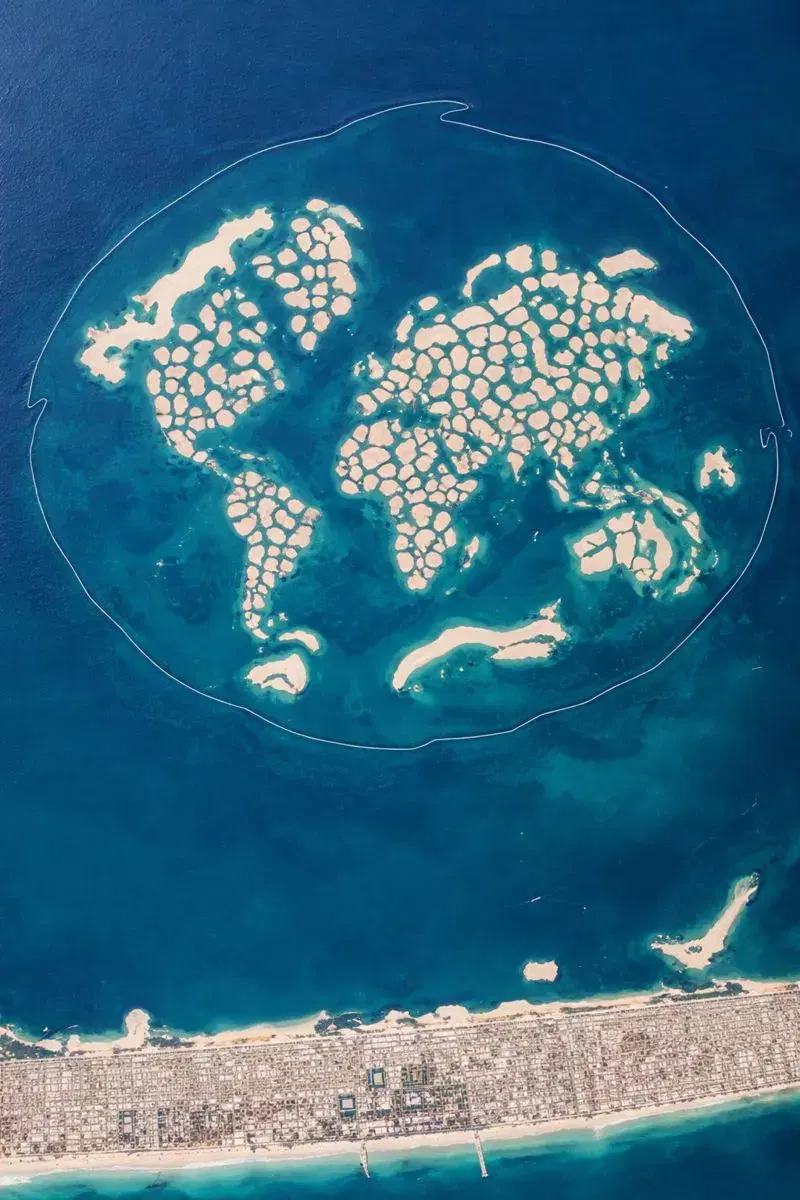
The World Islands are the most audacious undertaking in real estate and engineering that has ever been conceived. Situated off the United Arab Emirates coast of Dubai, this man-made archipelago comprises 300 islands positioned to resemble a world map when viewed from above. Since its unveiling in 2003, The World Islands have captured the imaginations of people around the globe-tacking them onto Dubai's ambition for pushing the limits of what is possible in construction and luxury development.
What Are The World Islands?
The World IslandsThe World Islands is an artificial island group constructed approximately 4 kilometers off the coast of Dubai in the Persian Gulf. Each island represents a different country or region, collectively forming a map of the world spanning roughly 9 kilometers in length and 6 kilometers in width. The project covers a total area of approximately 55 square kilometers, making it visible from space and one of the largest land reclamation projects on Earth.
Developed by Nakheel Properties, the same company behind the iconic Palm Jumeirah, The World Islands were designed to offer ultra-exclusive private island living and luxury resort experiences. The concept was to create a unique global landmark that would further establish Dubai as a premier destination for luxury tourism and high-net-worth individuals.
The Vision Behind The World Islands
Sheikh Mohammed bin Rashid Al Maktoum, the ruler of Dubai, envisioned The World Islands as a symbol of Dubai's global connectivity and ambition. The project aimed to attract international investors and celebrities who would develop individual islands into private estates, luxury resorts, and exclusive communities. Each island was intended to be a self-contained paradise, accessible only by boat or helicopter, offering unparalleled privacy and exclusivity.
The original vision included residential properties, commercial developments, resorts, and entertainment venues. Some islands were planned as single private estates, while others would house boutique hotels or themed attractions. The diversity of the development was meant to create a truly unique destination unlike anything else in the world.
Construction and Engineering Marvel
The Reclamation Process
Construction of The World Islands began in 2003, utilizing advanced dredging and land reclamation techniques. The process involved extracting sand from the seabed of the Persian Gulf and carefully depositing it to form the island shapes. Over 320 million cubic meters of sand and 31 million tons of rock were used in the construction.
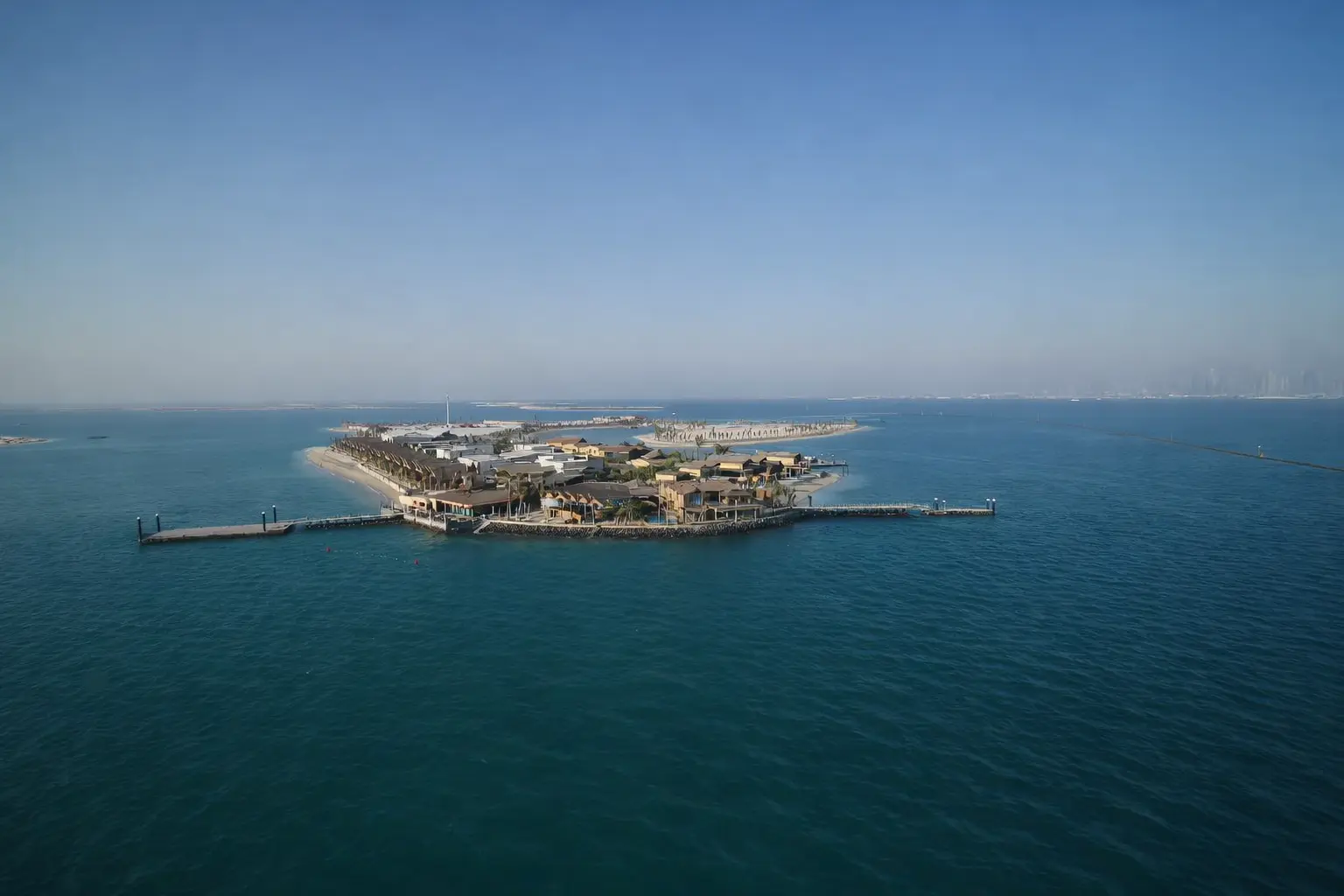
Each island was designed with specific dimensions, typically ranging from 14,000 to 42,000 square meters. The islands are separated by 100-meter-wide channels to allow for boat navigation and water circulation. Engineers constructed rock breakwaters around the entire archipelago to protect the islands from erosion and maintain their shapes.
Engineering Challenges
Creating an artificial archipelago of this magnitude presented numerous engineering challenges. Maintaining the precise shapes of each island required sophisticated GPS technology and careful monitoring. The sandy seabed composition demanded innovative foundation solutions for future construction on the islands. Engineers also had to account for tidal patterns, currents, and potential environmental impacts on marine life.
One of the most significant challenges was ensuring the islands wouldn't erode or sink over time. Geotextile fabrics were placed beneath the sand, and the islands were compacted through a process called vibro-compaction to create stable foundations. Despite these efforts, concerns about erosion and island stability have persisted throughout the project's history.
Development Timeline and Progress
Initial Phase (2003-2008)
The project progressed rapidly in its early years. By 2008, land reclamation was essentially complete, and approximately 70% of the islands had been sold to investors from around the world. Buyers included celebrities, wealthy entrepreneurs, and development companies eager to create exclusive island destinations. Prices for individual islands ranged from $15 million to $50 million during this peak period.
Several high-profile purchases made headlines, with reports of celebrities and business magnates acquiring islands for private estates. The buzz surrounding The World Islands contributed to Dubai's reputation as a hub for innovative luxury developments.
The 2008 Financial Crisis Impact
The global financial crisis of 2008 dramatically affected The World Islands project. As the real estate market collapsed and financing dried up, many investors defaulted on their payments or abandoned their development plans. Construction on individual islands came to a halt, and the ambitious project entered a prolonged period of stagnation.
Concerns emerged about the island's physical integrity, with satellite imagery suggesting some islands were eroding or losing their defined shapes. The lack of development meant no infrastructure was being built to stabilize the islands permanently. Nakheel Properties itself faced financial difficulties, further complicating the project's future.
Revival and Recent Developments (2010s-Present)
In recent years, The World Islands have experienced a gradual revival. The most significant development has been the transformation of the "Europe" cluster, which includes several connected islands. The Heart of Europe project has emerged as the flagship development, featuring luxury resorts, beaches, and attractions that opened to guests.
Other islands have seen varying levels of development activity. Lebanon Island (known as Anantara World Islands Dubai Resort) opened in 2023, offering an ultra-luxury resort experience. Several other islands are in various stages of planning and development, with renewed investor interest as Dubai's real estate market has strengthened.
The Heart of Europe
The Heart of Europe represents the most successful development within The World Islands to date. This cluster of six islands features European-themed resorts, including Sweden Island, Germany Island, and others. The development includes hotels, luxury villas, beaches, and attractions designed to evoke European destinations.
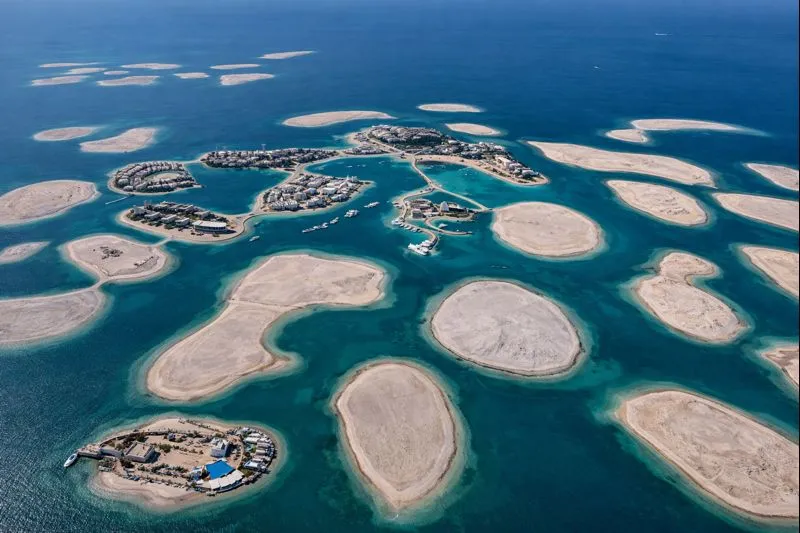
Notable features include climate-controlled beaches, underwater living rooms, and "floating" villas called Floating Seahorse homes. These unique properties offer above-water and underwater living spaces, creating an unprecedented residential experience. The Heart of Europe has attracted tourists and buyers looking for exclusive island living with world-class amenities.
The development includes the Côte d'Azur Monaco hotel, Portofino hotel, and other luxury accommodations. Restaurants, beach clubs, and recreational facilities have been built to create a complete resort destination. The success of The Heart of Europe has provided a model for how other island clusters might be developed in the future.
Current Status and Future Outlook
As of 2025, The World Islands remain a mix of developed and undeveloped properties. While some islands have been successfully transformed into luxury destinations, many remain empty or only partially developed. The project's completion timeline remains uncertain, with development dependent on investor interest and market conditions.
Nakheel Properties continues to market undeveloped islands to potential buyers and has shown renewed commitment to the project's completion. The success of developments like The Heart of Europe and Anantara World Islands has demonstrated the commercial viability of the concept, potentially attracting new investors.
Environmental monitoring continues to be important, with ongoing assessments of erosion, water quality, and marine ecosystem impacts. Developers have implemented measures to address sustainability concerns and ensure the long-term viability of the islands.
Conclusion
The World Islands represent one of the most ambitious construction projects in human history. While the archipelago has faced significant challenges and hasn't fully realized its original vision, it remains an extraordinary achievement in engineering and a symbol of Dubai's bold approach to development.
For visitors, investors, and observers, The World Islands offer a unique glimpse into the possibilities and limitations of transforming ambitious visions into reality. As development continues and new islands come online, this artificial archipelago will continue to evolve, potentially achieving the world-class destination status its creators envisioned.
Whether viewed as a triumph of engineering, a cautionary tale of overreach, or something in between, The World Islands have secured their place in the history of modern megaprojects and will continue to fascinate people around the world for generations to come.